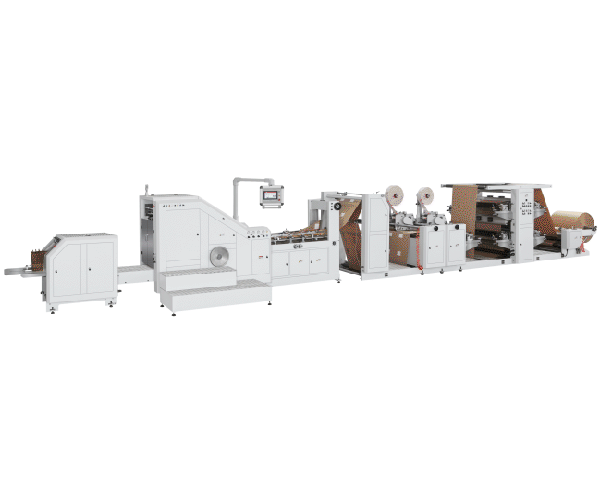
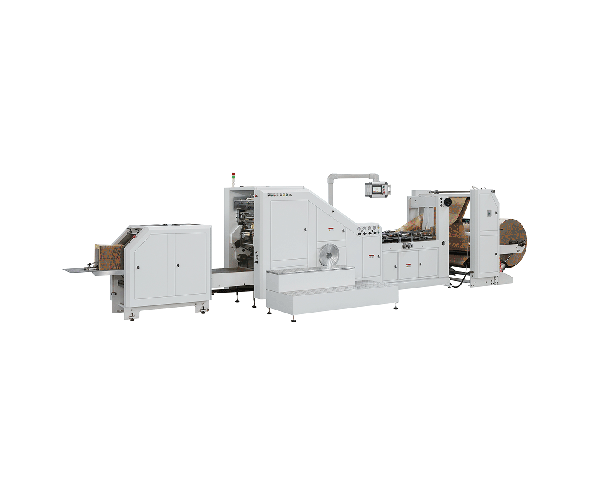
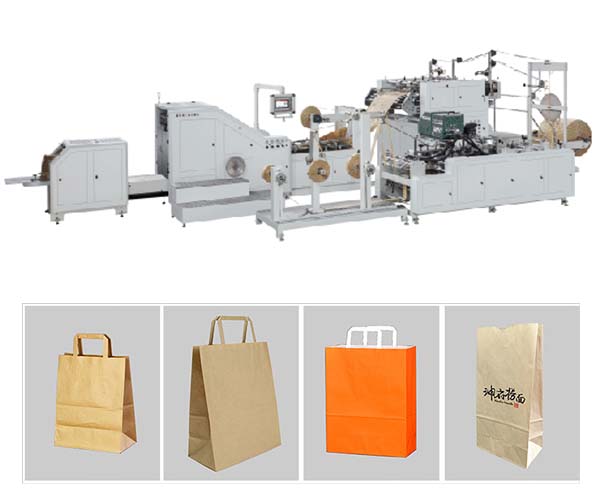
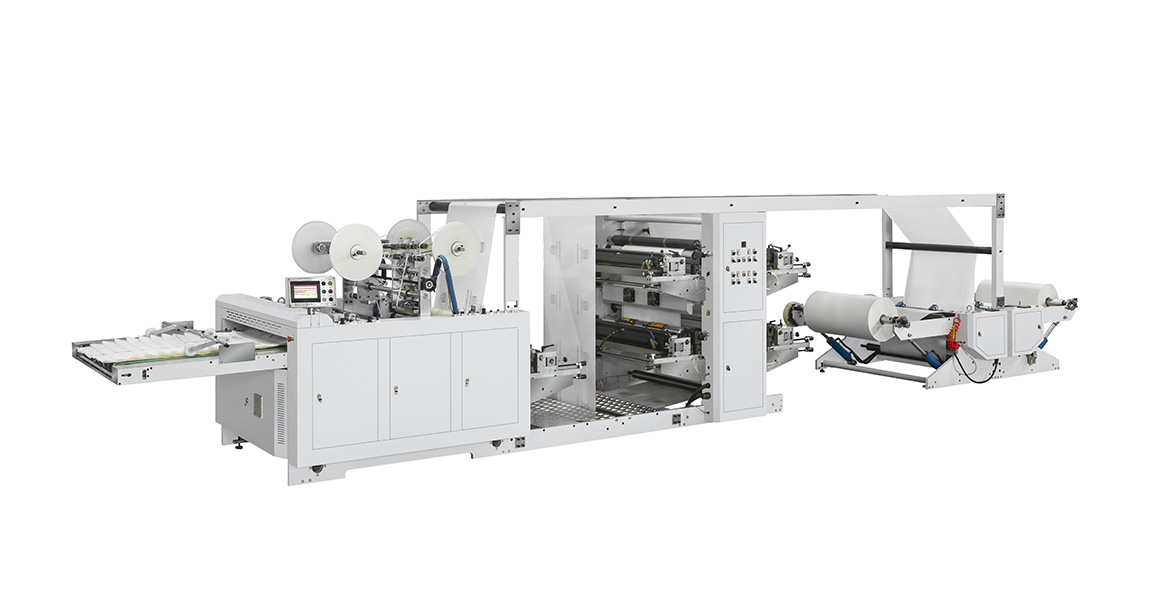
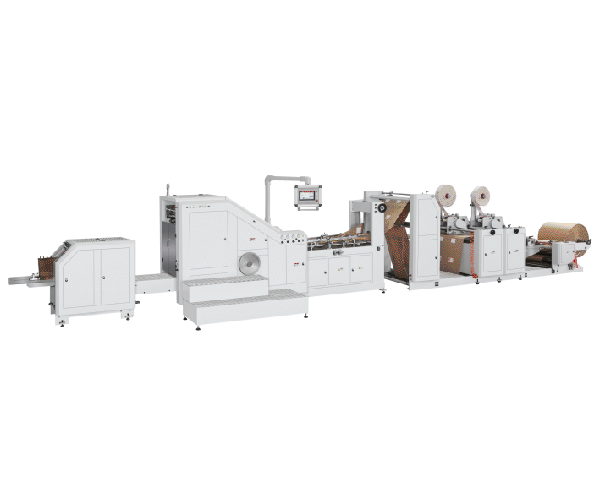
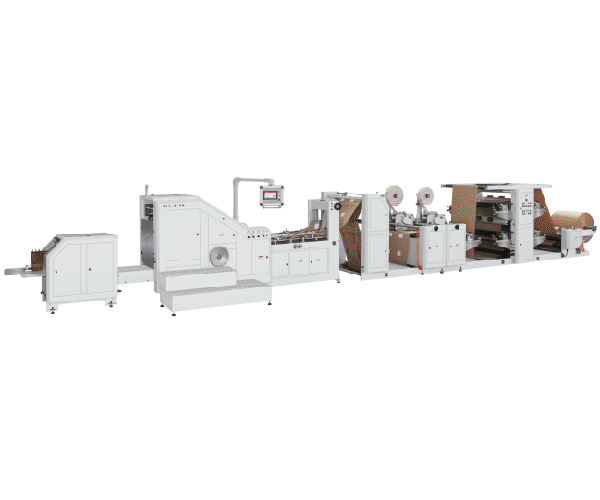
Your paper bag making machine has been running smoothly for weeks. Then, without warning, it jams. Production stops. Operators scramble. A two-hour delay turns into a missed shipping deadline. The culprit? A component that should have been cleaned or lubricated days ago—but wasn’t.
Bag making machines operate under high-speed, repetitive conditions, often 24/7. Over time, this causes wear on roll feeders, tension control systems, sealing and cutting blades, heat elements, pneumatic cylinders, and motors. When servicing is neglected, the cost of downtime and emergency repairs can quickly exceed the cost of preventive upkeep.
This guide provides a practical, frequency-based maintenance checklist—daily, weekly, monthly, and quarterly—to help you keep your machine in top condition, reduce scrap, and avoid the costly surprises that come from reactive maintenance. Think of it as your machine’s health plan.
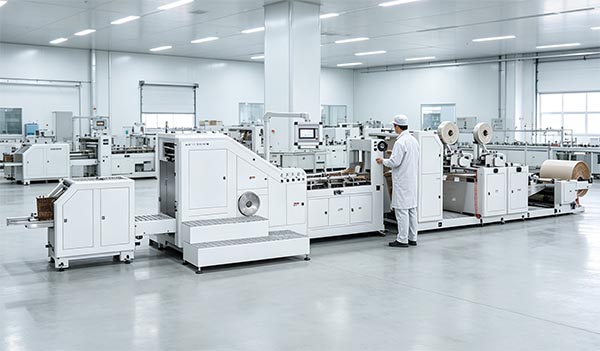
Why a Structured Maintenance Schedule Matters
Many production issues—unstable bag forming, frequent downtime, rising maintenance costs—are not caused by major machine failures, but by overlooked daily operation and maintenance details. A structured maintenance schedule addresses this by catching small problems before they become big ones.
What regular maintenance protects against:
-
Unplanned breakdowns that halt production
-
Inconsistent bag quality that leads to customer rejects
-
Increased scrap and material waste
-
Longer lead times and missed deadlines
-
Premature wear on expensive components
Daily Maintenance Checklist – The Non-Negotiable Routine
Daily maintenance tasks are the foundation of reliable machine operation. These checks take only a few minutes at the start and end of each shift, but they prevent the majority of common issues.
Start-of-Shift Checks:
| Task | Why It Matters |
|---|---|
| Check air pressure and compressor filters | Inconsistent air pressure affects feeding, folding, and gluing functions |
| Drain water from air compressor storage tank and oil-water separator | Moisture in the air supply degrades pneumatic component performance |
| Inspect film/paper roll alignment and tension | Misalignment causes tracking drift and uneven folds |
| Check for unusual noises or vibrations | Early warning of bearing wear, loose components, or mechanical imbalance |
| Verify all emergency stops and safety interlocks are functional | Essential for operator safety |
End-of-Shift Cleaning:
-
Clean dust and debris from sealing units, cutters, rollers, and conveyor belts
-
Remove glue residue from coated parts, guides, forming plates, and fold-in knives
-
Wipe down machine surfaces with a soft cloth
-
Clean photoelectric sensors—dirty sensors cause misalignment and tracking errors
End-of-Shift Lubrication:
-
Check all lubrication points before starting the machine to avoid failure
-
Apply lubricant to moving parts as needed—about 90% of bearings in a paper bag machine are in anti-friction form
Weekly Maintenance Checklist – The Deeper Dive
Weekly tasks go beyond surface cleaning to inspect components that experience gradual wear.
Inspection Tasks:
-
Inspect cutting blades for wear, chipping, or dullness. Dull blades cause uneven cuts and poor sealing quality.
-
Check all chains and belts for proper tension. Loose chains slip; overtightened chains strain motors.
-
Tighten loose bolts and fasteners—especially around high-vibration areas such as the bag feeder, cutters, and rollers.
-
Inspect electrical wiring for exposed, broken, or loose connections.
-
Calibrate temperature controllers on sealing and heating elements.
-
Test all emergency stop buttons and safety light curtains.
Cleaning Tasks:
-
Clean internal components (remove covers and carefully remove oil stains and debris from parts).
-
Clean photoelectric sensors and safety light curtains thoroughly.
-
Lubricate chains—apply oil evenly with a brush or oil can.
Quality Check:
-
Run a short test batch and inspect bag quality. Any change in bag shape, size, or seal integrity may indicate alignment issues that need adjustment.
For bag makers using V-bottom or satchel bottom configurations, pay extra attention to the bottom-forming section during weekly inspections—this area experiences high mechanical stress and is prone to misalignment that affects bag stability.
Monthly Maintenance Checklist – Preventing Long-Term Wear
Monthly maintenance focuses on components that wear gradually and require more time to inspect properly.
Mechanical Systems:
-
Inspect belt tension and motor couplings
-
Check chain tension—if too loose, it needs adjustment
-
Inspect bearings on the main drive shaft and guide rollers. Grip the shaft end of the guide roller and check for looseness in forward/backward and left/right directions.
-
Check the clearance between knife rollers—excessive clearance indicates bearing wear
-
Inspect cam mechanisms for normal operation
-
Clean or replace filters in pneumatic systems
-
Lubricate bearings
-
Lubricate guide rails with spray lubricant
Electrical and Control Systems:
-
Review firmware or software error logs
-
Check insulation resistance of each motor with a megohmmeter—insulation resistance should reach above 0.5 megohms
-
Check if motors rotate smoothly, if bearing gaps are too large, or if there are abnormal sounds
-
Check if gearbox oil level meets normal requirements
Transmission Components:
-
Thoroughly clean transmission components—start by loosening the tensioning device of the chain or belt, wash with appropriate detergent, dry, apply lubricant, and readjust the tensioning device
-
Inspect gear tooth surfaces for major damage, cracking, or occlusion issues
-
Remove debris and paper dust from gear bite
For machines using hot-melt adhesive systems commonly found in high-speed handle bag production, monthly inspection of heating elements and glue nozzles is particularly critical—clogged nozzles or degraded heating elements directly affect bag quality and increase scrap rates.
Quarterly and Annual Maintenance – The Big Picture
Quarterly Tasks:
-
Check the clearance of rotary disk bearings and replace if necessary
-
Inspect gears—open gearboxes for oil replacement or refilling
-
Perform test runs for all bag formats the machine is expected to produce
Annual/Semi-Annual Tasks:
-
Thoroughly clean equipment and surrounding environment, especially hard-to-reach corners that accumulate dust and debris
-
Review maintenance logs to identify patterns or recurring issues
-
Back up machine settings and configurations
-
Check for software updates from the manufacturer
-
Inspect and replace worn bushings, shaft cores, and gears as necessary
Common Problems – And How Maintenance Prevents Them
Understanding what typically goes wrong helps you prioritize your maintenance efforts.
| Problem | Root Cause | Prevention Through Maintenance |
|---|---|---|
| Frequent jamming | Debris buildup or misaligned components | Daily cleaning of paper path; weekly inspection of alignment |
| Uneven cuts or poor seals | Dull blades or incorrect settings | Weekly blade inspection; monthly calibration |
| Inconsistent production speed | Lubrication issues or worn components | Daily lubrication checks; monthly bearing inspection |
| Misaligned bags | Inconsistent tension, worn sensors | Daily tension checks; weekly sensor cleaning |
| Heat element burnouts | Overuse, voltage fluctuations | Monthly temperature controller calibration |
| Electrical failures | Loose connections or damaged wiring | Weekly wiring inspections; monthly motor checks |
| Paper feeding problems | Insufficient tension or worn rollers | Daily roller cleaning; monthly roller inspection |
Lubrication – Getting It Right
Proper lubrication is one of the most critical—and most misunderstood—aspects of maintenance. Here is a reference guide based on common industry practice:
| Component | Recommended Lubricant | Frequency |
|---|---|---|
| Air compressor | Compressor oil No. 68 | As per compressor manual |
| Gearbox | Gear oil No. 460 | Quarterly |
| Bearings | Grease No. 2 | Monthly |
| Other rotating parts | Gear oil No. 150 | As needed |
| Chains | Oil | Weekly |
| Guide rails | Spray lubricant | Monthly |
Key lubrication principles:
-
Use the right lubricant for the right component—heat-resistant lubricants for high-temperature environments, low-viscosity for high-speed rotating parts.
-
Avoid over-lubrication—excess grease attracts dust and can interfere with precision components.
-
Check oil and grease levels according to manufacturer guidelines.
-
Select lubricants with good antioxidant and rust resistance to extend equipment service life.
Spare Parts – What to Keep in Stock
A smart inventory of spare parts is key to reducing machine downtime. When a critical part fails, waiting days for a replacement is far more expensive than having it on hand.
Priority spare parts to stock:
-
Cutting blades and sealing wires
-
Bearings and belts
-
Temperature probes and thermocouples
-
Pneumatic valves and cylinders
-
Photoelectric sensors
-
Lubricants and cleaning agents
Pro tip: Track usage frequency to determine what parts should be kept in-house and in what quantity.
Training and Documentation – Empowering Your Team
No machine runs better than the people who maintain it. Even the best maintenance checklist is useless if operators don't follow it.
Ensure your operators and technicians are trained to:
-
Identify early warning signs of wear or failure
-
Perform safe, fast changeovers and cleaning
-
Troubleshoot basic mechanical and software errors
-
Understand how to work with different paper types and their specific handling requirements
Documentation best practices:
-
Create a maintenance logbook that records all cleaning, lubrication, inspections, and repairs
-
Keep a manual or SOP binder easily accessible near the machine
-
Consider using QR codes for quick access to maintenance guides
-
Review maintenance records regularly to identify patterns or recurring issues
For operations that run multiple bag types and require frequent changeovers, understanding how different paper bag machine configurations handle setup and cleaning can help you tailor your maintenance schedule to your specific production mix.
From Checklist to Practice – Making Maintenance a Habit
A checklist is only as good as the routine that follows it. Here is how to turn these tasks into a sustainable practice:
-
Assign responsibility – Designate specific operators for daily, weekly, and monthly tasks.
-
Use a visual board – Post the checklist near the machine for easy reference.
-
Keep a log – Record what was done, when, and by whom. This creates accountability and helps track wear patterns.
-
Review regularly – Monthly, review the log to spot recurring issues before they become failures.
-
Update as needed – As your production mix changes, adjust your maintenance priorities accordingly.
If you are unsure about which maintenance schedule best fits your specific machine model or production volume, you can reach the technical support team to ask about tailored maintenance recommendations for your equipment.
Related Reading
-
How to Operate a Paper Bag Making Machine Step by Step for Beginners
-
Common Paper Bag Machine Problems and How to Fix Them
-
How to Reduce Waste in Paper Bag Production
-
Square Bottom vs. V-Bottom: Which Bag Type Fits Your Business?
-
Understanding Full-Servo Technology in Paper Bag Manufacturing
This article is part of LILIN’s technical content library. No direct sales or pricing information is included. All technical discussions aim to help you make informed purchasing decisions.