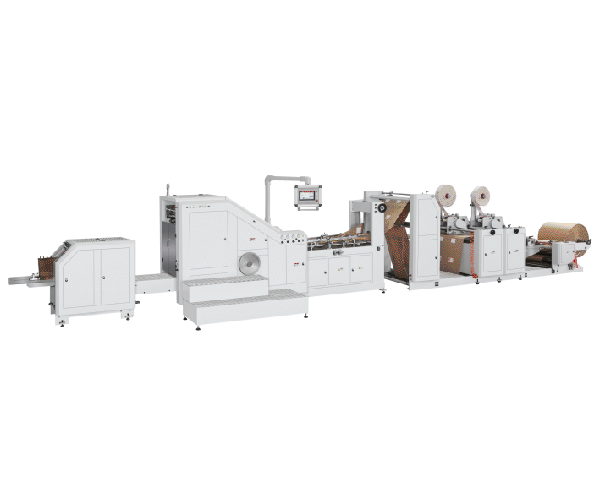
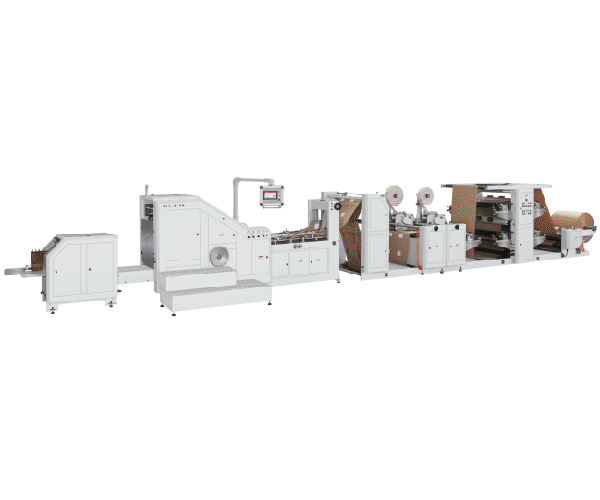
You have decided to enter or expand in the paper bag manufacturing business. The market momentum is clear—plastic reduction policies are tightening, e-commerce and food delivery demand continues to rise, and brands are increasingly prioritizing sustainable packaging. But when you start contacting suppliers, the prices you encounter vary wildly. A semi-automatic unit might be quoted at tens of thousands of dollars, while a fully integrated production line reaches well into six figures. What exactly are you paying for? And more importantly, how do you determine what your business actually needs?
This guide is not a price list. Instead, it provides a decision framework to help you understand what drives the cost of a paper bag making machine—from automation levels and material compatibility to the often-overlooked expenses of energy, maintenance, and downtime. By the end, you will be equipped to evaluate options based on your specific production requirements, not just the initial price tag.
Understanding the Range: What Are You Actually Paying For?
The price of a paper bag making machine is not a single number. It is a function of machine type, automation depth, production speed, and configuration complexity. Below is a realistic breakdown of price ranges observed in the 2026 market, based on actual supplier data and industry analysis.
(https://youtu.be/GGHKA_IRS9M?si=1lsBYbbI3rGZMjnD)
2026 Paper Bag Machine – Estimated Price Ranges
| Machine Type / Automation Level | Typical Price Range (USD) | Typical Application |
|---|---|---|
| Semi-automatic | $5,000 – $18,000 | Small bakeries, startups, low-volume custom orders |
| V-bottom / Satchel bottom | $33,500 – $42,500 | Fast-food packaging, cement bags, basic carry bags |
| Square bottom | $46,000 – $55,000 | Retail bags for smaller shops, mid-range volume |
| Square bottom | $142,500 – $160,000 | High-volume shopping bags for supermarkets, apparel, and luxury retail |
| High-speed intelligent production lines | $140,000 – $280,000+ | Large-scale contract manufacturing, multi-format production |
Price sources: YG Machinery 2026 equipment pricing; bagsmachine.com price analysis; Alibaba strategic sourcing guide
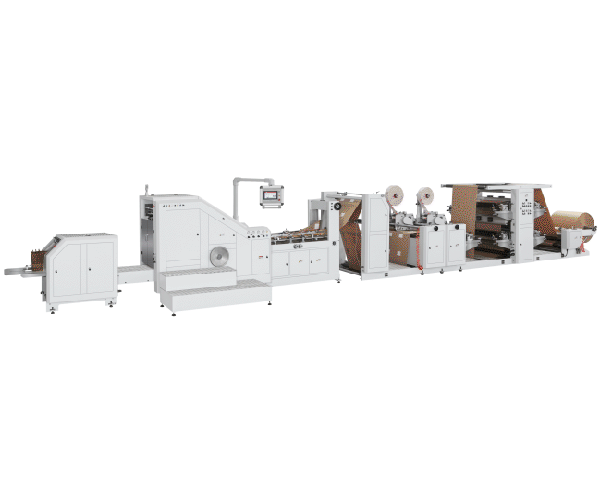
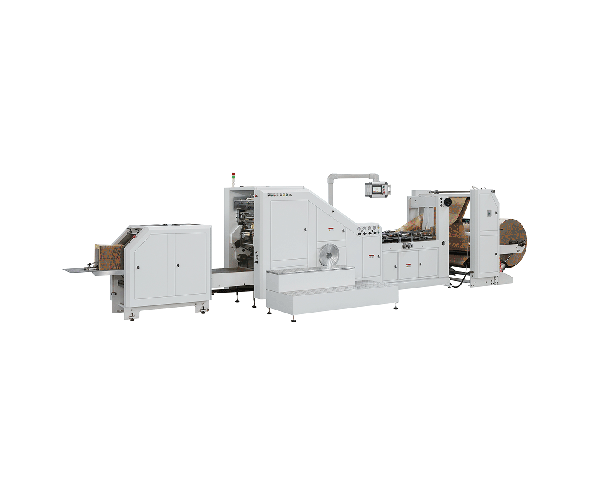
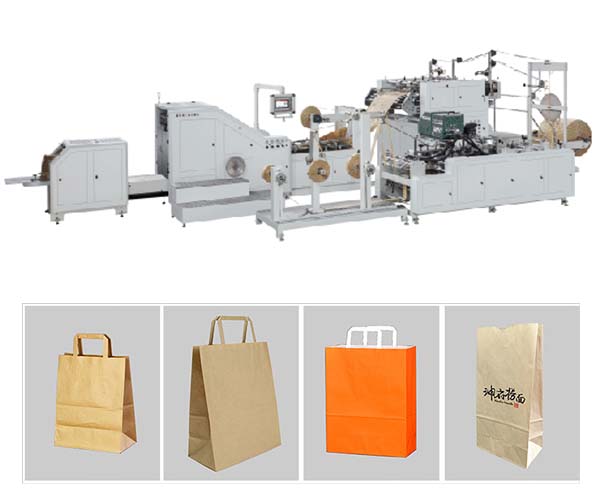
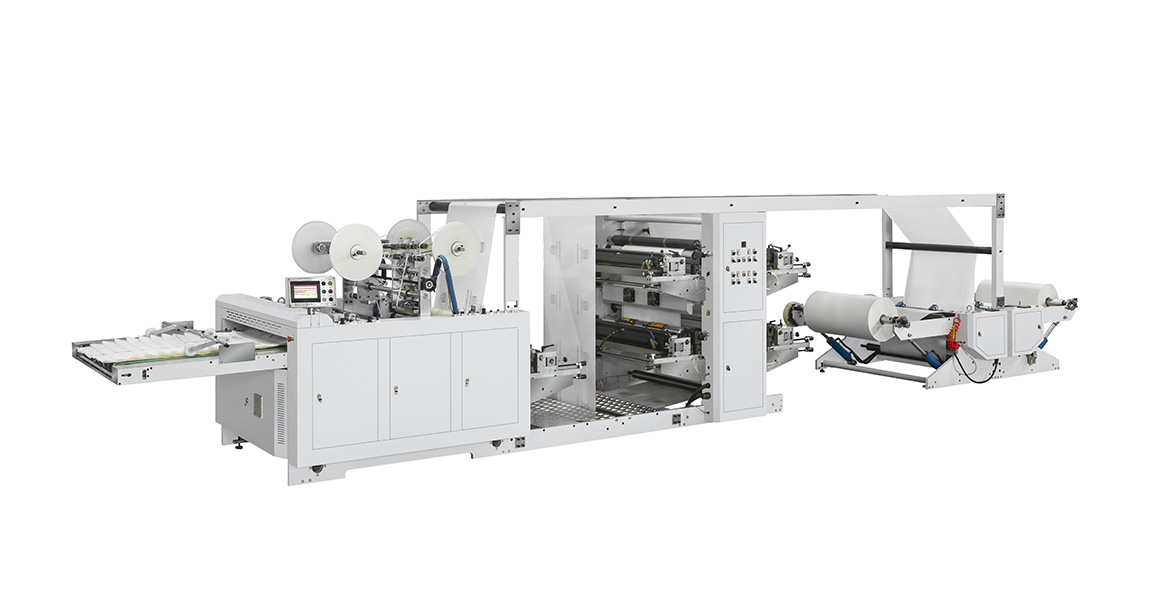
The wide spread is not arbitrary. A basic semi-automatic machine may be sufficient for a small shop producing a few thousand bags per day for local bakeries—it simply folds and glues the bottom, leaving handle attachment and more complex operations to manual labor. In contrast, a fully automatic square bottom machine integrates handle pasting (you can review models designed for high-volume shopping bag production) folds, bottom folding, gluing, and stacking into one continuous process, producing hundreds of bags per minute with minimal operator intervention. That complexity—the mechanical systems required to fold a bag that stands upright and carries heavy loads—is the primary reason for the significant price jump between V-bottom and square bottom configurations.
From Price to Investment: How Automation and Technology Shape Costs
Once you move beyond the basic machine type, the next major factor influencing cost is technology depth. This is where “price” diverges from “value”—and where many buyers make mistakes by focusing only on the upfront number.
Full-Servo vs. Mechanical Drive
Traditional paper bag machines rely on a main motor connected to cams, gears, and clutches. This design, while proven, comes with hidden operational costs:
-
Changeover time: Each bag length or bottom fold change requires loosening cams, moving limit switches, and test runs. Average downtime per job: 25–40 minutes.
-
Setup waste: Each test run produces 50–150 waste bags.
-
Energy inefficiency: Mechanical systems waste energy through constantly spinning flywheels and friction clutches.
-
Unpredictable downtime: Clutches wear without warning. According to a 2023 study by the Converting Equipment Manufacturers Association (CEMA), mechanical bag makers operate at only 67% overall equipment effectiveness (OEE), with unplanned downtime accounting for 18% of lost time.
Full-servo systems, by contrast, assign a dedicated servo motor to each motion axis—unwinding, draw roll, bottom forming, cutting, and stacking—controlled by a central PLC. The operational benefits translate directly to cost savings:
-
Changeover time: Typing a new value on the HMI repositions servos automatically. A full order change takes under 3 minutes. One Korean converter reduced changeover time from 32 minutes to 2.5 minutes.
-
Waste reduction: Setup waste drops to 5–10 bags because the first bag after a recipe load is already in spec. Running waste falls as electronic gearing maintains perfect registration. A European bag producer documented waste falling from 11% to 3.2%.
-
Energy savings: Servo motors draw power only when moving and recover energy during deceleration, consuming 20–35% less energy than mechanical equivalents. A 2024 industry report showed a full-servo line running two shifts consumes 28% fewer kWh.
A bag converting line that costs $50,000 less upfront might consume twice the electricity and require blade changes every two weeks—erasing any savings within months. The higher initial cost of a full-servo machine is not an expense; it is an investment that pays back through lower energy bills, less material waste, and vastly reduced downtime.
For operations that prioritize rapid job changeovers and minimal material waste, you can explore square bottom paper bag machine configurations equipped with full-servo technology to see how they match your daily batch mix.
Material Compatibility and Flexibility
Another cost driver that is often overlooked is material range. Some lower-priced machines are optimized exclusively for virgin kraft paper. When paper prices fluctuate—as they regularly do—being locked out of using affordable recycled stock can become a significant operational constraint. Machines with broader compatibility (recycled content, coated papers, wet-strength materials) typically command higher prices but offer greater long-term flexibility, especially for converters serving multiple industries.
Check the machine’s specified material range carefully: minimum and maximum paper weight (gsm), compatibility with recycled content percentage, and whether it can handle special substrates. A robust material handling system often separates short-term savings from long-term viability.
The Hidden Costs: Why Total Cost of Ownership (TCO) Matters More Than the Price Tag
Experienced buyers know that the purchase price is only the beginning. According to industry feedback, nearly 40% of buyers end up paying 20–30% more than necessary over three years of operation—not because the machine was expensive, but because they overlooked hidden costs in the purchasing process. Here are the key components of TCO that every buyer should evaluate.
Energy Consumption
A machine’s power rating (kW/h) directly affects your monthly electricity bill. The difference between an efficient servo-driven unit and an older mechanical design can be thousands of dollars annually. When comparing quotes, ask for energy consumption data at your expected production volume, not just theoretical maximum efficiency.
Maintenance and Spare Parts
Maintenance costs follow a predictable pattern. For a paper bag machine valued at around $100,000, outsourced maintenance models typically charge an annual fee of 3–5% of the equipment’s value, or $3,000 to $5,000 per year. But this assumes routine service only. Major consumables add significant expense:
-
Lubrication: Annual lubricating materials cost between $2,000 and $3,000 for daily applications to gears, chains, and bearings.
-
Die-cutting blades: Standard cardboard cutters typically process 500,000 to 800,000 cycles. High-density materials like kraft paper reduce this to around 300,000 cycles. Each blade change requires precise calibration, with labor costs ranging from $200 to $500 per change.
-
Heating elements: For machines using hot-melt adhesive systems, heating elements typically last between 8,000 and 10,000 hours, with replacement costs varying by model.
Some suppliers quote a low initial price but compensate through expensive spare parts and frequent downtime. A detailed TCO breakdown—including power rating, average consumable lifespan, and recommended maintenance intervals—should be requested before any purchase commitment.
Production Speed vs. Real-World Throughput
“Up to 300 bags per minute!” sounds impressive. But maximum speed is typically achievable only on ideal paper stock (usually 70–80 gsm virgin kraft) with perfect humidity and zero bag complexity. Once you switch to recycled paper, add a window patch, or use in-line printing, real-world speed can drop by 40–60%. One medium-sized bag manufacturer recently reported that a “high-speed” model ran at barely half the promised speed on their standard 40% recycled content paper—and jammed twice per shift.
When evaluating speed claims, ask for data at your specific paper weight and material type. Also consider acceleration and deceleration time: a machine that takes 15 minutes to reach top speed is inefficient for short runs.
Downtime Cost
Perhaps the most underestimated TCO factor is unplanned downtime. For a production line running two shifts, each hour of downtime represents lost output and potentially missed delivery deadlines. Mechanical machines, with their unpredictable clutch wear and cam adjustments, carry higher downtime risk than full-servo systems with predictive diagnostics. Servo drives monitor torque, temperature, and position error in real time, alerting operators before a failure occurs. That predictive capability alone can save tens of thousands of dollars annually in avoided production stoppages.
Real-World Production Economics – Connecting Machine Cost to Unit Profitability
To put these cost factors into perspective, consider how machine choice affects per-bag production cost. Using actual industry data, here is a simplified comparison:
| Cost Component | Semi-Automatic / Low Automation | Full-Auto / Full-Servo |
|---|---|---|
| Raw material cost per bag (120gsm kraft) | ~$0.045 | ~$0.045 |
| Waste rate | 8–12% | 1–3% |
| Labor cost per 1,000 bags | High | Low |
| Energy consumption per 10,000 bags | Baseline | –25% to –30% |
| Maintenance hours per week | 2–4 | 0.5 |
| Changeover time per job | 25–40 min | <3 min |
Data compiled from: Henghao Machinery cost analysis; Fangbang full-servo comparison; production surveys
The key insight is that higher automation shifts cost from variable to fixed. A business running one shift, five days a week, with consistent orders of the same bag size may find a semi-automatic machine perfectly adequate. But a business running two or three shifts, serving multiple customers with different bag sizes and materials, will quickly recover the additional investment in a full-servo machine through lower waste, faster changeovers, and reduced labor.
As the packaging market grows more complex—with converters now expected to run twisted-handle shopping bags one week, flat-bottom foodservice bags the next, and short promotional runs after that—production efficiency depends less on headline order volume and more on how efficiently a plant can change over, control waste, and maintain print-to-fold accuracy. That is why 2026 is increasingly a machinery conversation, not just a materials conversation.
A Step-by-Step Framework for Evaluating Your Equipment Investment
When you are ready to move from general research to specific supplier inquiries, use this structured approach:
- Define your production requirements before opening a catalog. The type of paper bag you intend to produce dictates the fundamental mechanical structure of the machine. Determine your required bag type, feeding method, and daily output volume. If your target product mix includes bags with twisted paper handles, you may want to review handle paper bag machine solutions that integrate handle forming and pasting as a separate or inline option.
- Match machine speed to your real production mix. Do not be impressed by maximum speed claims. Calculate your average batch size and the number of changeovers per day. A machine with slightly lower maximum speed but drastically faster changeover time may deliver higher effective throughput for your actual order pattern.
- Request a TCO breakdown, not just a price quote. Ask for: power rating (kW/h) and estimated annual energy cost; average consumable lifespan for blades, glue nozzles, and rubber rollers; recommended maintenance intervals and estimated annual service cost; and warranty terms for core components.
- Verify material compatibility for your current and future needs. Confirm the machine’s minimum and maximum paper weight (gsm), compatibility with recycled content percentage, and ability to handle special substrates like wet-strength or biodegradable films.
- Assess the supplier’s after-sales infrastructure. For international buyers, clarify: availability of on-site commissioning and training; remote diagnostic support and response time; spare parts stocking and shipping logistics; and documentation quality.
2026 Market Context – What Is Driving Demand and How That Affects Your Decision
The paper packaging market is expanding rapidly. Industry forecasts estimate the global paper packaging market at $472.92 billion in 2026, with projected growth at a 5.1% CAGR through 2033. The global foodservice paper bag market is expected to reach $5.1 billion in 2026 and expand at roughly 5.8% CAGR through 2036. This growth is driven by three converging forces: plastic reduction policies influencing procurement decisions in foodservice, grocery, and retail; sustained e-commerce and delivery demand for branded, functional paper packaging; and brand owners seeking packaging that supports both sustainability messaging and shelf appeal.
For machine buyers, this market context has direct implications. As more converters enter the segment, margins can tighten quickly unless production becomes more reliable. Buyers in 2026 are therefore looking more closely at size range, paper weight compatibility, glue control, handle options, and changeover speed—rather than comparing output speed alone.
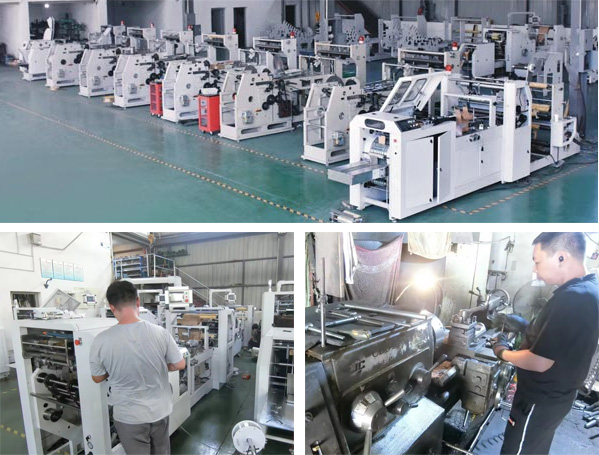
Europe remains the largest regional market, accounting for approximately 34% of global paper bag machine demand, followed by Asia-Pacific and North America. Within this landscape, Chinese manufacturers have strengthened their competitive position, with cities like Wenzhou—home to over 40% of China's paper processing machinery output—offering concentrated clusters of component suppliers and engineering expertise.
Related Reading
-
How to Choose Between Roll-Fed and Sheet-Fed Paper Bag Machines
-
Square Bottom vs. V-Bottom: Which Bag Type Fits Your Business?
-
Understanding Full-Servo Technology in Paper Bag Manufacturing
-
A Step-by-Step Guide to Calculating Paper Bag Production Costs
-
Key Certifications and Compliance for Food-Grade Paper Bag Equipment
This article is part of LILIN’s technical content library. No direct sales or pricing information is included. All technical discussions aim to help you make informed purchasing decisions.