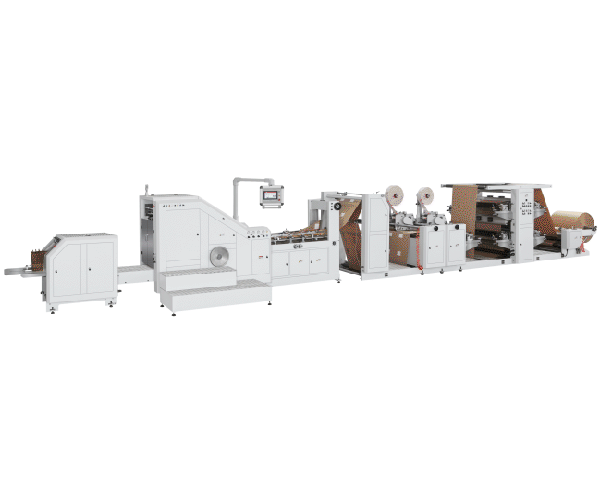
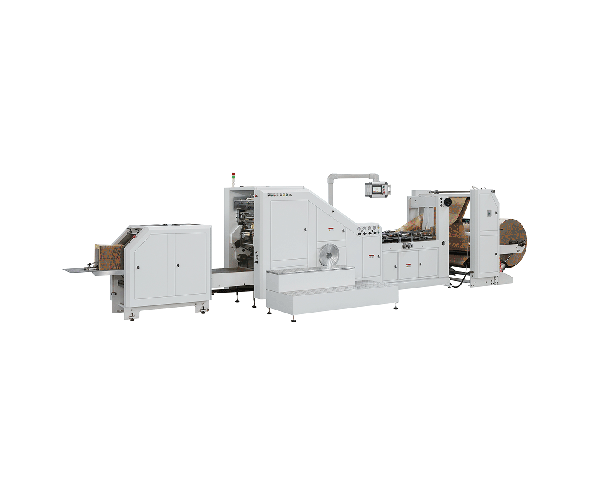
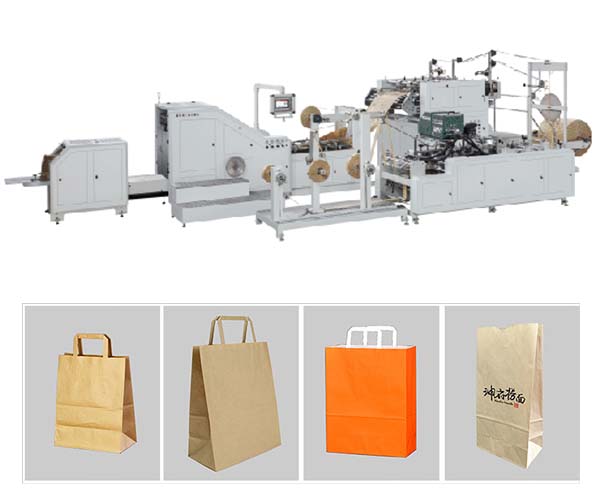
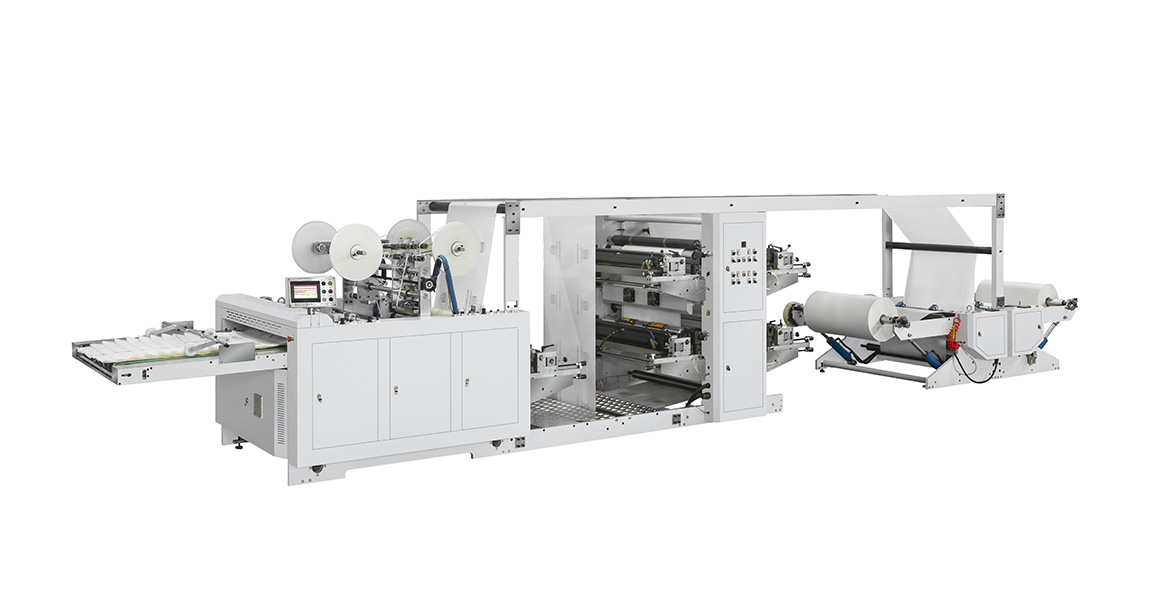
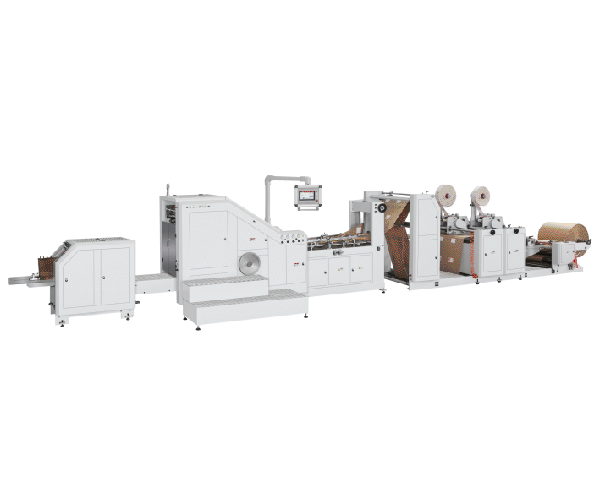
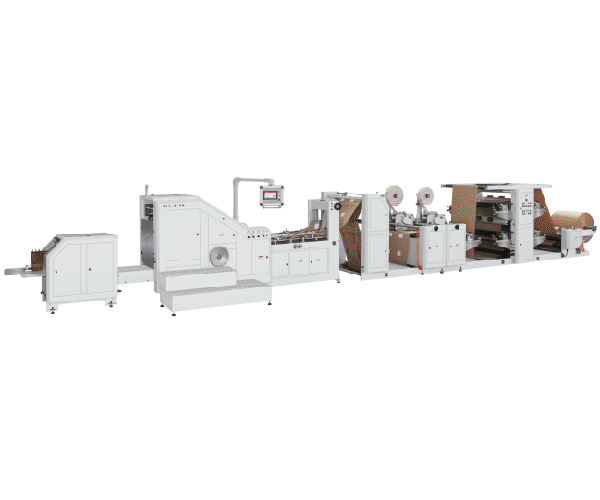
Investing in a paper bag-making machine is not a small decision. The wrong choice can lead to production bottlenecks, high maintenance costs, and missed delivery deadlines. On the other hand, the right equipment can double your output, reduce waste, and open new customer segments.
So how do you navigate the sea of specifications, claims, and price tags? This guide breaks down the essential selection criteria — from handle styles to automation levels — so you can make a confident, data‑driven purchase.
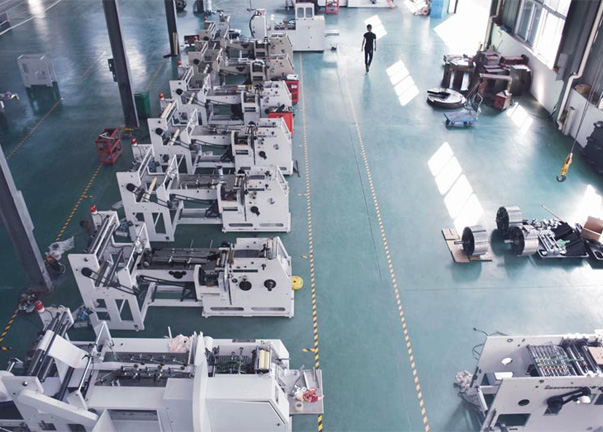
Start with Your Production Volume and Speed Requirements
The first question is always: how many bags do you need per minute? Your current orders and projected growth will determine the required cycle speed.
-
Low volume: Semi‑automatic or basic models may suffice. However, labor costs add up quickly.
-
Medium volume: Most mid‑range reliable paper bag machinery fits here, balancing speed and affordability.
-
High volume: You’ll need heavy‑duty, fully integrated lines with fast drying and stacking systems.
Be realistic about your peak seasons. Many buyers underestimate their growth and end up replacing machines within two years. A rule of thumb: choose a machine that can handle 30% more than your current maximum.
Handle Type: The Make‑or‑Break Feature
Paper bags can have twisted paper handles, flat tape handles, or no handles at all (self‑opening sacks). Your product range will dictate which handle attachment system you need.
-
Twisted paper handles — common for retail and gift bags. Requires a unit that forms, glues, and attaches the handle in one flow.
-
Flat tape handles — used for heavier loads like pet food or hardware. Demands stronger adhesion and precise alignment.
-
Handle‑free bags — for fast‑food takeaways or produce bags. Simpler, but lower margin.
If you serve multiple industries, look for a modular design that allows quick changeover between handle types. Some modern automatic handle paper bag equipment offers tool‑less switchovers, saving hours per shift.
Material Compatibility and Printing Integration
Not all paper is the same. Kraft paper, coated paper, recycled paper, and even laminated paper behave differently under tension and heat.
Ask the manufacturer three questions:
-
What is the acceptable paper weight range (gsm)?
-
Can the machine handle pre‑printed rolls?
-
Does it support inline printing, or does it need a separate unit?
If you offer branded bags, an inline flexo printing unit can eliminate a separate production step. That’s where you should check the inline printing compatibility of the system. Machines that integrate printing and handle attachment in one pass dramatically reduce labor and registration errors.
Automation Level: From Manual to Fully Integrated
Automation is the biggest lever for unit cost reduction. But “full automation” means different things to different suppliers.
Semi‑automatic:
-
Manual feeding of blanks or handles
-
Lower upfront cost
-
Higher labor cost per 1,000 bags
Fully automatic (modular):
-
Automatic roll feeding, handle forming, gluing, attaching, and stacking
-
One operator can run two or three machines
-
Typical range 80k–80k–200k
Fully integrated line:
-
Including printing, window patching, and counting/packing
-
Highest upfront cost but lowest cost per bag at scale
For most small to medium businesses, a fully automatic machine without unnecessary extras offers the best ROI. You can always add modules later if the platform supports it.
Hidden Costs: Energy, Maintenance, and Floor Space
Ask for the machine’s power consumption per 1,000 bags. Some older designs consume twice the electricity for the same output. Also, request a spare parts list with prices — a cheap machine with expensive proprietary parts can ruin your margins.
Floor space is another silent killer. A 2.5‑meter width might fit, but don’t forget the space for roll loading, finished bag stacking, and operator movement. Always draw a layout before signing.
Real‑World Testing: Ask for a Run‑Off
Reputable suppliers will offer a Factory Acceptance Test. You send your paper and handle materials, and they run a batch for you. During the test, watch for:
-
Consistent handle alignment
-
Glue squeeze‑out
-
Bag squareness after stacking
If a supplier refuses a run‑off, consider it a red flag.
Avoiding “Analysis Paralysis” – The 3‑Tier Decision Matrix
Lay out your non‑negotiable requirements first:
-
Must have: Handle type A, speed ≥ 100 bags/min, paper width up to 600 mm.
-
Nice to have: Inline printing, remote diagnostics, quick changeover.
-
Future‑proof: Modular upgrade slots, local service network.
Then score each candidate machine. You’ll often find that the mid‑priced option with the best local support wins over the cheapest or most feature‑packed one.
Making Your Final Choice
After narrowing down to two or three suppliers, ask for customer references in your industry. Call them and ask: “What do you wish you had known before buying?”
Also, verify safety certifications and warranty terms. A 12‑month warranty is standard, but 24 months on the main frame shows confidence.
If you’re looking for a balance of speed, handle versatility, and modular expandability, you can explore the high‑performance paper bag production solution offered by Lilin. It’s designed for mid‑to‑high volume producers who need twisted or flat handles with minimal changeover time. Click here to see detailed specs and request a run‑off.
Final Checklist Before You Order
-
Confirmed handle type and speed match 80% of your orders
-
Calculated total cost of ownership
-
Conducted a material test with your own paper and handles
-
Checked floor space and operator access
-
Spoken to two existing customers of the supplier
Choosing a paper bag machine is a strategic decision, not just a purchase. Take your time, test thoroughly, and plan for growth. The right machine will pay for itself in less than 18 months — the wrong one will cause headaches for years.
Disclaimer: Specifications and capabilities vary by manufacturer. Always verify technical data with the supplier before purchase.